
Explore Our Sacred Services
Book certified Vedic Pandits for authentic rituals, from daily pujas to major life milestones. Experience the essence of Mithila's spiritual heritage.
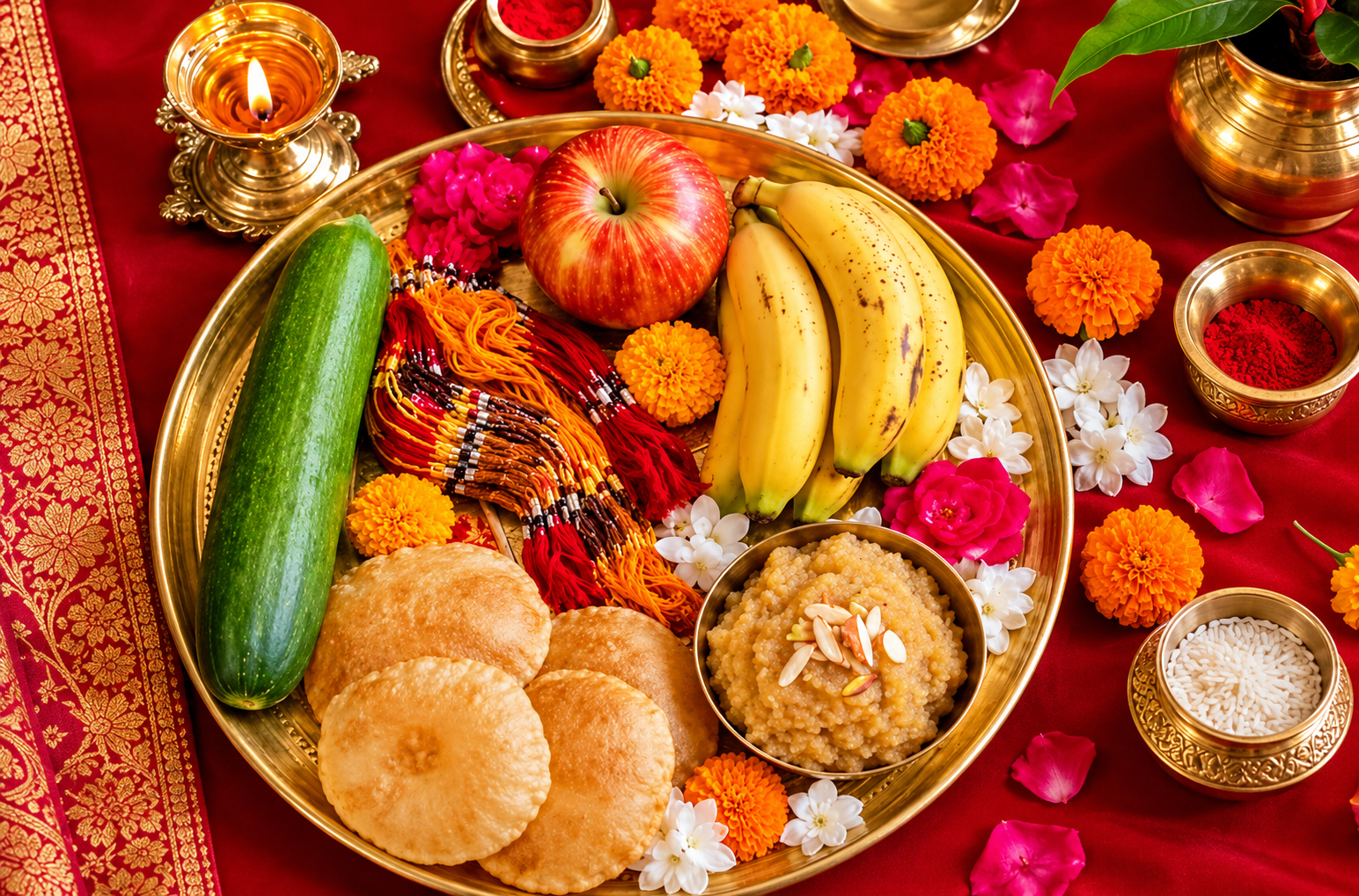

Anant chaturdashi
For protection, prosperity, the removal of suffering and the spiritual welfare of the family. The deity Anant is worshipped on the fourteenth day of the bright fortnight of Bhadaw. The site of worship is cleaned, washed, and smeared with cowdung paste. On this, an eight-petalled flower is drawn with paste (Ashtdal Aripan). Vermilion is applied to it. A clean wooden seat is taken, and the design of a lotus is drawn on it. Vermilion is applied to it. After that, a holy water pot is kept. Mango leaves are placed in the holy pot. Vermilion and rice paste are applied to it. After that, while reciting the names of the particular month, the particular fortnight, the date, the person, and the particular purpose, the vow (Sankalp) is taken by using a type of dry tall grass (Kush), sesame, barley, water, and sanctified dried rice. In front of the deity, fourteen types (or as many as specified in the vow) of round baskets (Dalee) are kept. Baskets sent by other persons are also kept. On each basket, rice, green peas, makhan, unbroken betel nut, betel leaf with stem, unbroken coconut, five types of dry fruits, and fourteen types of fruits including banana, grapefruit, corn, cucumber, and custard apple are kept. Five types of homemade sweets are kept before the deity. After the disposal (Visarjan) of the invoked deity, the old worshipped thread is kept on the cot, and water is churned with a new thread. After the worship is completed and the story of the ritual is narrated, fourteen Brahmins are fed. The person who performs the worship remains a vegetarian on that day. The females wear the worshipped thread of Anant on the left arm, and the males wear it on the right forearm. Whosoever worships the deity Anant, wears the thread, and listens to the story ever remains happy. He becomes wealthy and has many children and grandchildren. He remains free from all sorrows and miseries. ### The Story of Anant After vanquishing everything in gambling, King Yudhisthir was sitting in a forest and was worrying about his misfortune. Suddenly, finding Shri Krishna in front of him, he implored him to salvage him from the disaster. God Krishna advised him to do Anant Chaturdasi Vrat (the vow of keeping fast on that day). He also narrated to him the details of the procedure of the ritual. The story is as follows: In Satyug, there was a Brahmin named Sumanta. That brilliant Brahmin married Bhrigu's daughter, Deeksha. Deeksha was beautiful. She lived happily with her husband. After some time, she gave birth to a daughter who was named Sheela. Unfortunately, after some time, Deeksha expired. After his wife's death, Sumanta used to remain depressed. His hermitage became disorderly. So, after some time, he married a girl named Karkasha. She came to her husband's place and started living as a housewife, but with Sumanta, the wind started flowing in the reverse direction. As opposed to his first wife, who was very courteous, humble, and wise, Karkasha was discourteous and arrogant. While obeying all the commands of her stepmother, Sheela started leading a miserable life. Yet she was much devoted about her marriage. One day, suddenly, Sage Kondinya came to God. As she came to age, Sumanta became worried. Being attracted towards Sheela, he had asked Sumanta for her hand. He was honourable and renowned for his wealth. Sumanta happily gave her in farewell. When Sumanta asked his wife Karkasha to give some household gifts to Sheela and bade them farewell, she expressed her anger and told him that there was nothing in the house. They were given only the travelling expenses. As the couple was travelling on the chariot, they reached the banks of the river Yamuna. That day was Anant Chaturdasi day of the month of Bhadav. Many women had gathered there for the worship of the deity Janrdan. Kaundinya got down there for his daily routine ablution, etc. Sheela enquired from the women folk about the purpose of that gathering. Then they explained to her in detail the significance of Chaturdashi Vrat. They also tied the thread of Anant around her arm. Sheela came to her house. Due to the vow of Anant, her conjugal life became happier and wealthier day by day. Kaundinya spent his days very happily, but he could not understand why his wife had tied the thread around her arm in spite of having so many jewels in the house. Sheela explained everything to him. Yet he was enraged at her superstition and threw the thread of Anant into the fire. Sheela got very upset at this. She hurriedly took it out of the fire and put it into milk. Now the tide turned against Kaundinya, and he lost all his wealth. His life became miserable, and people in society turned their faces away from him. Sheela told him that all this was the result of his throwing Anant into the fire and that he must do something to atone for his sin. This appealed to Kaundinya, and the same day he left for the deep forest to meditate. In the forest, he saw a mango tree laden with fruits. It was full of ants and insects. He became very eager and asked the tree if it had seen the deity Anant anywhere. He did not get any answer. He proceeded further and met a hunter with a cow. Later, he came across a bull. He asked all of them about the deity Anant. None of them gave him any clue. Kaundinya became desperate. After some time, he saw two ponds full of lotus flowers and swans floating across. Then he came across an elephant and an ass. But nobody gave him any hint. At last, he got exhausted. He lay on the ground and thought of finishing his life. He was about to hang himself from the tree when a luminous glow appeared. The deity Anant himself appeared in the form of an old Brahmin. He took Kaundinya to a cave. Inside the cave, there was a beautiful city full of life. There he saw the deity Anant, the incarnate of Lord Vishnu, in his formal dress of conch, wheel, club, and lotus, sitting on a beautiful throne studded with precious jewels. The brilliant glow of the Lord dazzled in the eyes of Kaundinya. He started saying his prayers with utmost humility. The Lord was pleased and asked him to beg for a boon. Kaundinya narrated to him of his ignorance and prayed to him to get him rid of his miseries. The Lord Anant advised him to return to his home and asked him to do the Anant Vrat for fourteen years regularly and to tell others about it.
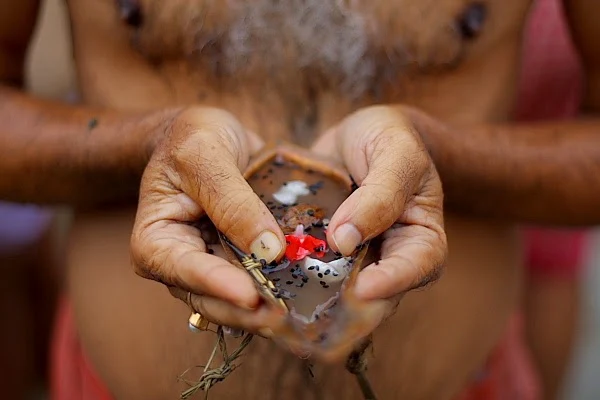
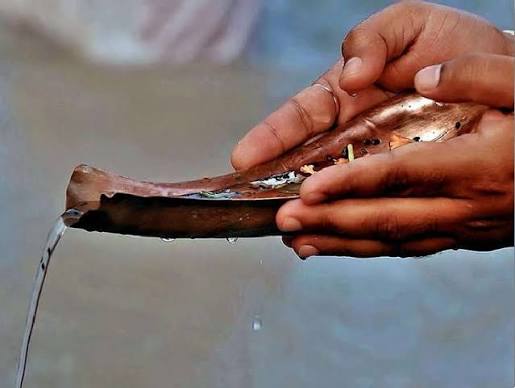
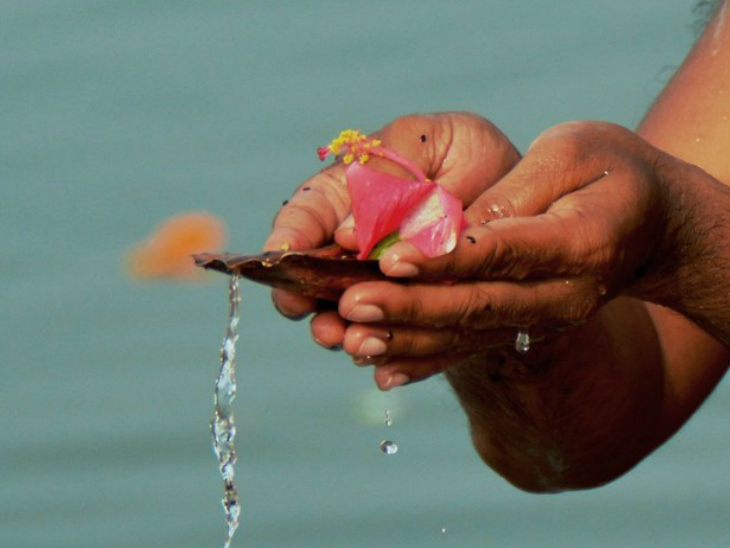
पितृ एवं मातृ प्रतिनिधि तर्पण
पितृ तर्पण हिंदू धार्मिक परंपरा में अपने दिवंगत पूर्वजों के प्रति श्रद्धा, कृतज्ञता और स्मरण व्यक्त करने का एक महत्वपूर्ण कर्म है। इसमें जल, काले तिल, कुश तथा मंत्रों के माध्यम से पितरों को श्रद्धापूर्वक तर्पण अर्पित किया जाता है। तर्पण का भाव केवल अर्पण करने तक सीमित नहीं है, बल्कि यह उन पूर्वजों को स्मरण करने की परंपरा है जिनसे हमारा परिवार, वंश और संस्कार जुड़े हुए हैं। धार्मिक मान्यता के अनुसार, तर्पण पितरों की तृप्ति और शांति की कामना से किया जाता है। पितृपक्ष इस कर्म के लिए विशेष रूप से महत्वपूर्ण माना जाता है। इस अवधि में परिवार अपने दिवंगत पूर्वजों का स्मरण करता है और उनकी शांति के लिए श्राद्ध, तर्पण तथा पिंडदान जैसे कर्म करता है। मातृ तर्पण क्या है? मातृ तर्पण के माध्यम से माता तथा मातृ पक्ष के दिवंगत पूर्वजों का श्रद्धापूर्वक स्मरण किया जाता है। हमारे जीवन में माता और मातृ पक्ष का विशेष स्थान है। इसलिए धार्मिक परंपराओं में मातृ पक्ष के पूर्वजों के लिए भी श्रद्धा और तर्पण की भावना मिलती है। मातृ तर्पण में परंपरा के अनुसार माता, नाना, नानी तथा मातृ पक्ष के अन्य दिवंगत पूर्वजों का स्मरण किया जा सकता है। पितृपक्ष में मातृ नवमी का विशेष महत्व माना जाता है और इस अवसर पर मातृ पक्ष के लिए श्राद्ध एवं तर्पण की परंपरा मिलती है। पितृ एवं मातृ तर्पण कब किया जाता है? पितृ तर्पण के लिए पितृपक्ष सबसे महत्वपूर्ण अवसरों में से एक है। सामान्य परंपरा के अनुसार, जिस पूर्वज की मृत्यु जिस चंद्र तिथि को हुई हो, पितृपक्ष में उसी तिथि पर उनका श्राद्ध एवं तर्पण किया जाता है। यदि किसी पूर्वज की मृत्यु की तिथि ज्ञात न हो, तो **सर्वपितृ अमावस्या** के दिन ज्ञात-अज्ञात पितरों के लिए तर्पण एवं श्राद्ध करने की परंपरा है। मातृ पक्ष के लिए पितृपक्ष की मातृ नवमी का विशेष महत्व माना जाता है। तिथि और तर्पण का शुभ समय प्रत्येक वर्ष स्थानीय पंचांग के अनुसार बदल सकता है। इसका धार्मिक महत्व पितृ एवं मातृ तर्पण के पीछे मुख्य भाव है: पूर्वजों का स्मरण अपने दिवंगत पूर्वजों को श्रद्धापूर्वक याद करना। कृतज्ञता अपने जीवन, परिवार और संस्कारों में पूर्वजों के योगदान के प्रति आभार व्यक्त करना। शांति एवं तृप्ति की प्रार्थना धार्मिक मान्यता के अनुसार पितरों की शांति और तृप्ति के लिए जल एवं तिल अर्पित करना। पितृ ऋण का स्मरण हिंदू परंपरा में पूर्वजों के प्रति अपने दायित्व को पितृ ऋण की भावना से जोड़ा जाता है। परंपरा का संरक्षण पीढ़ियों से चली आ रही श्राद्ध और तर्पण की परंपरा को श्रद्धा के साथ आगे बढ़ाना। बिहार और मिथिला में पितृ तर्पण बिहार और विशेष रूप से मिथिला में पितृ कर्म के साथ कुलाचार, देशाचार और स्थानीय पंचांग का विशेष महत्व है। परिवार की परंपरा के अनुसार पितरों के नाम और गोत्र का स्मरण करते हुए तिल-जल अर्पित किया जाता है। श्राद्ध, तर्पण, पिंडदान, ब्राह्मण भोजन, दान तथा पितरों की शांति के लिए प्रार्थना जैसी परंपराएँ प्रचलित हैं। बिहार में **गया जी** पितृ कर्म और पिंडदान के प्रमुख धार्मिक स्थलों में से एक माना जाता है। फल्गु नदी, विष्णुपद मंदिर, अक्षयवट और विभिन्न पिंडदान वेदियों का पितृ कर्म में विशेष महत्व है। पितृ तर्पण में क्या-क्या सामग्री लगती है? सामान्य पितृ तर्पण में परंपरा के अनुसार निम्न सामग्री का प्रयोग किया जाता है: * शुद्ध जल * काले तिल * कुश या दर्भ * जलपात्र * आसन * अक्षत या चावल * फूल * चंदन * धूप * दीप * फल विस्तृत श्राद्ध या पिंडदान की विधि में चावल, जौ, घी, दूध, शहद तथा अन्य सामग्री भी आवश्यक हो सकती है। सामग्री और विधि परिवार की परंपरा तथा संबंधित पुरोहित की पद्धति के अनुसार अलग हो सकती है। पितृ तर्पण की विधि पितृ तर्पण सामान्यतः स्नान और शुद्धि से प्रारंभ किया जाता है। इसके बाद संकल्प लिया जाता है, जिसमें परंपरा के अनुसार गोत्र, नाम, स्थान, तिथि तथा जिस पितर के लिए कर्म किया जा रहा है उसका उल्लेख किया जाता है। कुश धारण करने के बाद जल में काले तिल मिलाए जाते हैं। पितरों का स्मरण करते हुए मंत्रों के साथ तिल-जल अर्पित किया जाता है। इसके बाद पितरों की शांति और तृप्ति के लिए प्रार्थना की जाती है। परिवार की परंपरा के अनुसार इसके बाद श्राद्ध, पिंडदान, भोजन या दान आदि कर्म किए जा सकते हैं। मातृ तर्पण की विधि मातृ तर्पण में माता और मातृ पक्ष के दिवंगत पूर्वजों का स्मरण किया जाता है। संकल्प में संबंधित मातृ पक्ष के पूर्वजों का नाम और गोत्र परंपरा के अनुसार लिया जाता है। इसके बाद कुश, तिल और जल के माध्यम से मंत्रोच्चार के साथ तर्पण अर्पित किया जाता है। मातृ नवमी के अवसर पर मातृ पक्ष के लिए विशेष श्राद्ध और तर्पण करने की परंपरा मिलती है। पितृ तर्पण का मंत्र एक सामान्य पितृ तर्पण मंत्र है: ॐ पितृभ्यः स्वधायिभ्यः स्वधा नमः। उच्चारण Om Pitribhyah Svadhayibhyah Swadha Namah** अर्थ “पितरों को नमस्कार। स्वधा सहित यह अर्पण पितरों को समर्पित है।” नाम और गोत्र के अनुसार पितृ तर्पण में अलग-अलग मंत्रों का प्रयोग भी किया जाता है। पितरों के प्रति प्रार्थना तर्पण के अंत में पितरों की शांति, तृप्ति और सद्गति के लिए प्रार्थना की जाती है। इसका मूल भाव है: “हम अपने पूर्वजों को श्रद्धापूर्वक स्मरण करते हैं, उनके प्रति कृतज्ञता व्यक्त करते हैं और उनकी शांति एवं तृप्ति के लिए प्रार्थना करते हैं।” पितृ तर्पण से जुड़ी परंपराएँ पितृपक्ष के दौरान विभिन्न परिवारों में अलग-अलग परंपराएँ देखने को मिलती हैं। इनमें: * पितरों का स्मरण * तिल-जल अर्पण * श्राद्ध * पिंडदान * ब्राह्मण भोजन * दान * जरूरतमंदों को भोजन * गौ एवं अन्य जीवों को भोजन जैसी परंपराएँ शामिल हो सकती हैं। इन परंपराओं का पालन परिवार और क्षेत्र की मान्यता के अनुसार अलग-अलग हो सकता है। प्रतिनिधि तर्पण यदि आप किसी कारणवश स्वयं उपस्थित होकर पितृ या मातृ तर्पण नहीं कर सकते, तो प्रतिनिधि तर्पण के माध्यम से अपनी ओर से यह धार्मिक कर्म करवाया जा सकता है। आपके संकल्प और श्रद्धा के साथ निर्धारित विधि के अनुसार तर्पण संपन्न कराया जाता है। आप दूर हैं, लेकिन अपने पूर्वजों को स्मरण करने की आपकी श्रद्धा दूर नहीं है। पितृ एवं मातृ तर्पण का भाव पितृ तर्पण केवल एक धार्मिक कर्म नहीं, बल्कि अपनी जड़ों और पूर्वजों को स्मरण करने की एक परंपरा है। पितृ पक्ष हमें उन पूर्वजों को याद करने का अवसर देता है जिन्होंने हमारे परिवार की पिछली पीढ़ियों को जन्म दिया, संस्कार दिए और आने वाली पीढ़ियों के लिए आधार बनाया। मातृ तर्पण हमें माँ और मातृ पक्ष के उन पूर्वजों को भी श्रद्धा से स्मरण करने का अवसर देता है जिनसे हमारा जीवन और परिवार की परंपरा जुड़ी है। अपनी जड़ों को याद करें। अपने पूर्वजों का सम्मान करें। श्रद्धा और परंपरा को आगे बढ़ाएँ।
Can't find a specific ritual in the list?
The Mithila heritage is vast and diverse. We offer many customized rituals and ceremonies that might not be listed here. Contact our ritual experts for personalized assistance.
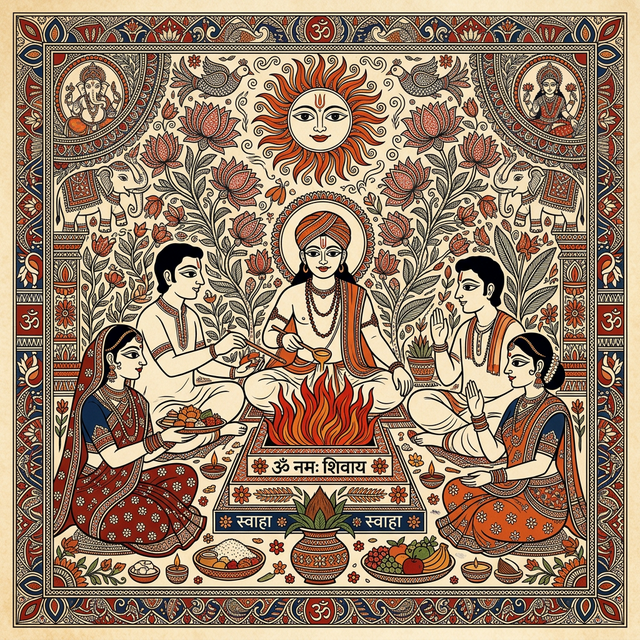
Custom Vedic Ceremonies tailored for your family tradition.